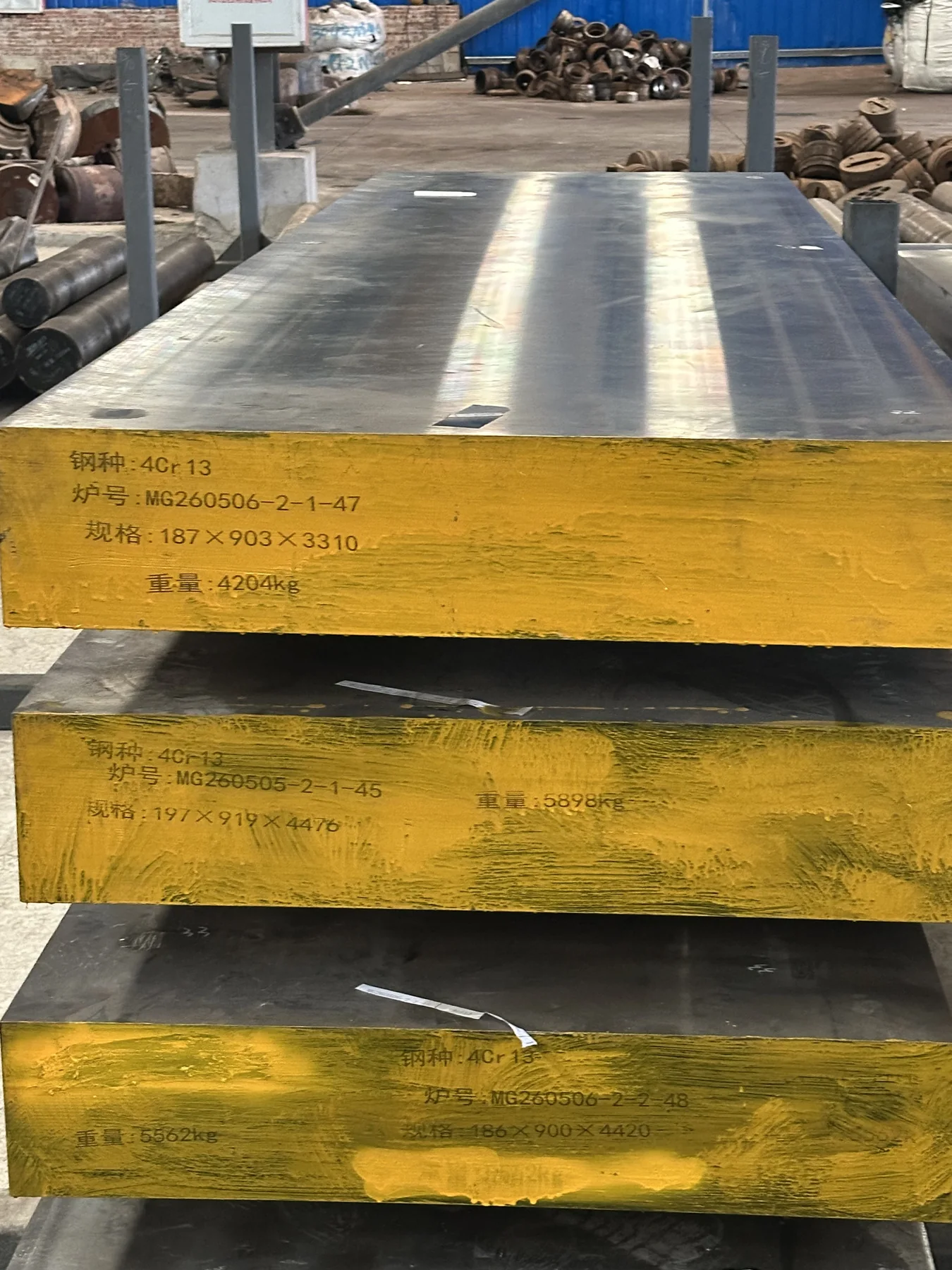
Do not buy ESR as a label only
The term ESR describes a production route, not a complete acceptance specification. State the governing H13 chemistry, required product form, section size and delivery condition. If cleanliness or structure must be evaluated, identify the method and acceptance criteria.
Match the route to the application
High thermal cycling, demanding die-casting service and large or critical tools may lead a buyer to consider ESR. The decision should be based on service conditions, expected tool life, heat treatment, machining and failure risk, not on a universal claim that one route is always required.
Ask for traceable evidence
List the material certificate, heat or ingot identification and any ultrasonic, hardness, metallographic or additional test records. Confirm how the remelting route will be identified in the order documents.
Compare conventional and ESR quotations fairly
Make sure both quotations cover the same size, condition, machining, inspection, documents, packaging and delivery terms. The commercial difference cannot be evaluated from a price-per-kilogram figure without those common inputs.