Equivalence is a starting point
Cross-reference tables are useful for finding a grade family, but they do not replace a purchase specification. Chemistry ranges, test methods, tolerances and documentation practices can differ between standards and suppliers. Name the governing edition when it matters.
Specify form and condition
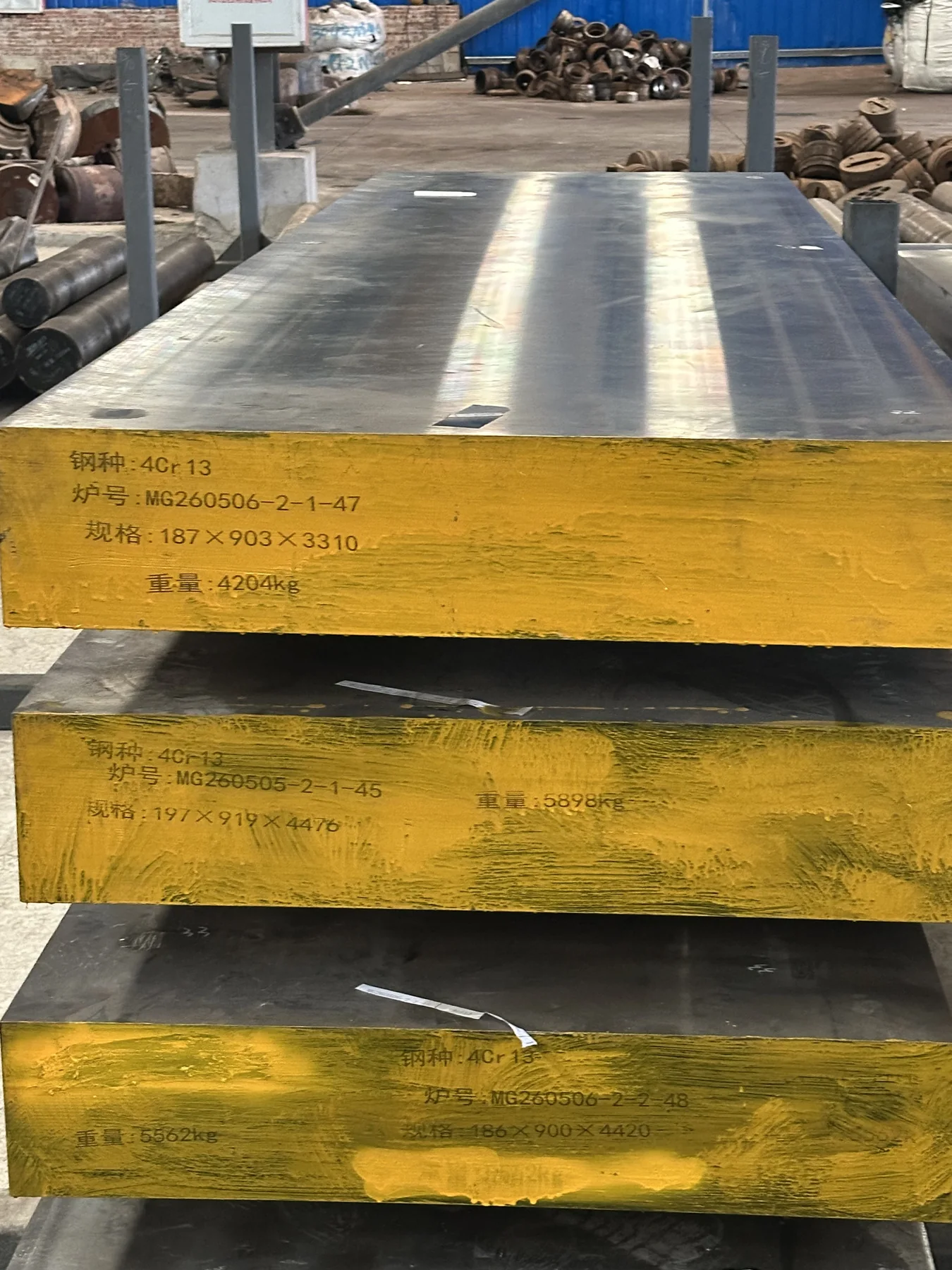
State round bar, flat bar, forged block, disc or hollow forging, followed by dimensions, quantity and delivery condition. Identify required machining, annealing or other processing and whether the order is conventional or electroslag remelted material.
Define acceptance requirements
List the required material certificate, heat traceability, ultrasonic-testing criteria, hardness or metallographic inspection and any buyer approval points. Avoid wording such as standard inspection when a specific report or acceptance level is needed.
Review the complete order route
Material selection, section size, heat treatment, machining and inspection interact. Send the application and required schedule so feasibility and lead time can be reviewed against the complete route rather than the grade name alone.